We have all stood there before. You are standing in the middle of the living room with a tape measure that keeps snapping back at your fingers and a crumpled piece of paper covered in scribbles. You are trying to figure out if that new velvet sectional is actually going to fit through the hallway door or if you are about to make a very expensive mistake. It is a universal anxiety that comes with home improvement. For decades, the process of furnishing and fitting out a home has been a game of guesswork and estimation. We rely on eyeballs and gut feelings. We hope the walls are straight. We pray the floor is level. And usually, we find out the hard way that houses are rarely as perfect as we assume they are.
But the era of the tape measure is quietly coming to an end. While the world has been busy talking about chatbots and generated images, a much more practical revolution has been happening in the background. Artificial Intelligence is entering the physical space of our homes, and it is changing everything about how we build, renovate, and live. This is not just about smart speakers playing music or lights that turn off when you leave. This is about “Home Fitment” in its truest sense. It is the science of how things fit into our lives and our spaces.
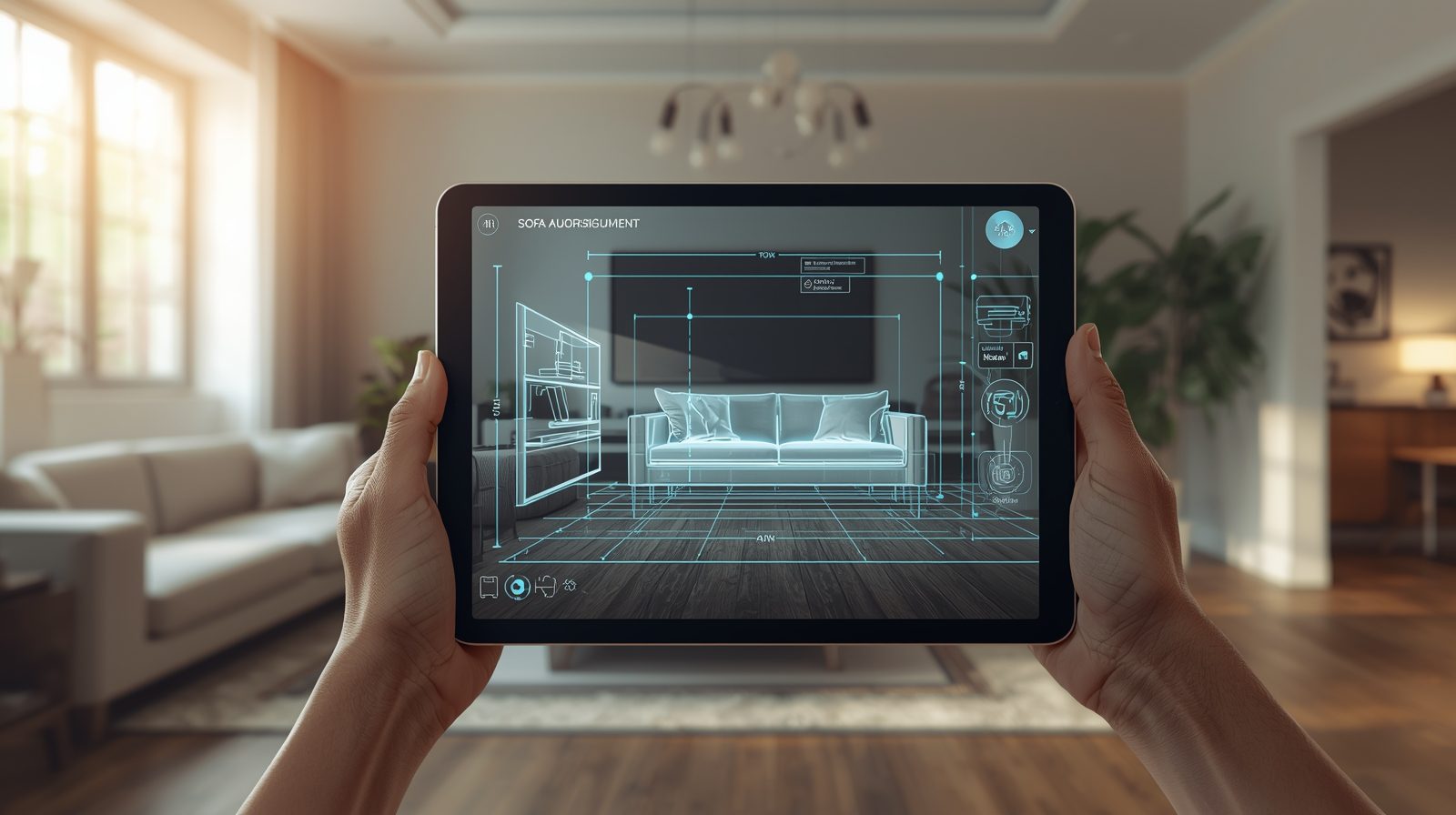
The shift begins with how we see a room. In the past, if you wanted to fit a custom bookshelf into an alcove, you needed a carpenter. They would come out, measure three or four times, and make a template out of cardboard. Even then, they would likely have to shave off a few millimeters during installation because the drywall was slightly bowed. Today, that entire process is being digitized. The smartphone in your pocket likely has a Lidar scanner built into the camera array. When paired with AI driven software, that phone can map a room in seconds. It does not just see a wall. It sees the subtle curvature of the plaster and the exact angle of the corner. It understands the volume of the space in a way a human eye never could.
This is where the magic of AI comes into play. It takes that raw data and turns it into a playground. Imagine pointing your phone at an empty corner of your bedroom. Instead of just imagining a wardrobe, an app generates a perfectly fitted unit that maximizes every cubic inch of storage. It accounts for the skirting board at the bottom and the crown molding at the top. It knows exactly how the doors will swing and warns you if they will hit the nightstand. This is the difference between buying furniture and achieving true fitment. One is a product you purchase. The other is a solution that is integrated into your environment.
The implications for the industry are staggering. For a long time, custom furniture was a luxury reserved for the wealthy because it required immense amounts of human labor and time. AI changes the math. When a computer can instantly generate the cutting list for a cabinet that fits a specific weirdly shaped corner, the cost of “custom” begins to drop. We are moving toward a future where mass production meets individual customization. You might order a kitchen island online, but instead of getting standard sizes, the manufacturing robot cuts the panels to the precise specifications of your unique kitchen floor plan. The AI handles the complexity so the factory does not have to.
There is also a massive logistical benefit that most people never think about until they are in the middle of a renovation nightmare. Everyone who has redone a kitchen knows the pain of the “missing part.” The cabinets arrive, but the hinges are wrong. The sink is here, but the faucet is on backorder. It is chaos. AI is currently being deployed to solve this supply chain puzzle. Smart algorithms can now predict exactly what parts are needed for a specific installation and coordinate the delivery so everything arrives in a single consolidated shipment. It sounds boring, but for anyone who has lived without a kitchen sink for three weeks because of a shipping error, this kind of logistical intelligence is a miracle.
But let us go deeper than just measurements and logistics. Let us talk about aesthetics. One of the hardest parts of home fitment is visualization. It is incredibly difficult for the average person to look at a swatch of fabric and understand how it will look on a sofa in a room with north facing windows at 4pm in December. We used to rely on interior designers to bridge that imagination gap. Now, AI is democratizing high end design. Generative styling tools allow homeowners to upload a photo of their room and say “make this look like a mid century modern loft in Tokyo.” The AI does not just paste generic furniture over the image. It analyzes the lighting and the shadows. It suggests paint colors that complement the existing flooring. It effectively acts as a tireless design consultant that lets you experiment with wild ideas without spending a dime.
This technology also brings a new level of sustainability to home improvement. Construction and renovation generate a terrifying amount of waste. We buy too much flooring. We cut tile wrong and have to throw it away. We order a couch, decide we hate the color, and send it back. AI helps solve this through precision. When you know exactly how much material you need down to the square inch, you buy less. When you can see exactly how a piece of furniture looks in your space before you buy it, you return less. It turns out that the most eco friendly renovation is the one that gets done right the first time.
Of course, some will worry that we are losing the human touch. There is a romantic idea about the master craftsman sketching plans on a napkin. But the truth is that AI is not replacing the craftsman. It is giving them superpowers. A skilled carpenter can spend less time doing math and more time focusing on the joinery and the finish. An interior designer can spend less time fighting with CAD software and more time understanding the emotional needs of their client. The technology handles the tedious, error prone parts of the process, leaving the creative and tactile aspects to the humans.
We are also seeing the rise of “predictive fitment.” This is where things get really interesting. Imagine a home that understands your habits better than you do. Sensors and AI could analyze how you move through your kitchen. It might notice that you always bump your hip on the corner of the island or that you have to stretch too far to reach the coffee mugs. When it comes time to renovate, the system could suggest a layout that is optimized specifically for your body and your routine. It is ergonomics powered by big data. The home stops being a static box we live inside and starts becoming a dynamic shell that adapts to fit us.
The integration of these technologies is happening faster than most people realize. We are seeing major retailers integrating augmented reality into their shopping apps. We are seeing contractors using drones to inspect roofs and generate estimates. The barrier to entry is lowering every single day. You do not need a degree in computer science to use these tools. You just need a smartphone and a desire to make your home better.
This creates a new standard for what we expect from our living spaces. “Good enough” is no longer acceptable when “perfect” is accessible. Why settle for a gap between the wardrobe and the wall when an AI could have helped you design a filler piece that looks seamless? Why guess if the rug is too big when you can see it on your floor through your screen? The anxiety of the unknown is being replaced by the confidence of data.
There is a psychological comfort in this precision. Our homes are our sanctuaries. They are the places where we retreat from the chaos of the world. When our homes are ill fitted or cluttered or dysfunctional, it adds a layer of low level stress to our lives. When everything works, when the drawers slide smoothly and the layout flows naturally, it brings a sense of peace. By using AI to ensure our physical environment is tuned to our needs, we are actually using technology to improve our mental well-being.
The skeptical homeowner might ask if this is all just hype. Will these tools really work, or are they just gimmicks? It is a fair question. The early versions of these tools were clunky. The furniture floated in mid air and the measurements were often off by inches. But the leap in processing power over the last two years has been exponential. The visuals are now photorealistic. The measurements are accurate to the millimeter. The technology has matured from a toy into a tool.
As we look to the future, the definition of a “smart home” is going to expand. It will not just mean a home with internet connected appliances. It will mean a home that was intelligently designed, intelligently built, and intelligently fitted. It will mean a space where waste was minimized and utility was maximized. The role of the homeowner shifts from being a passive consumer to an active co-creator. You collaborate with the AI to refine your vision until it is exactly what you want.
We are standing at the threshold of a new age of domestic design. The friction is disappearing. The fear of making a mistake is fading. In its place is a new kind of creative freedom. You can dream bigger because you have the tools to execute those dreams with precision. The tape measure might still have a place in the toolbox for a few more years, but the heavy lifting is moving to the cloud.
So the next time you decide to update your living room or remodel your kitchen, do not start by driving to the hardware store. Start by opening your phone. Look at your space through the lens of this new technology. You might find that the perfect fit you have been looking for was right there in the data all along. The future of home fitment is not just about wood and stone and fabric. It is about code and light and logic. And it is going to make our homes more beautiful than ever before.
This is the promise of the new digital fitment. It is a promise that respects your time, your money, and your space. It is the end of “close enough” and the beginning of “just right.” For anyone who loves their home, that is a future worth embracing. The revolution is quiet, but it is happening in every room of the house, and it is making sure that everything fits perfectly.